15,000
Customer Acquisition
62%
Loss Ratio
+33 pts
NPS vs Industry
Context
A mid-sized insurance carrier wanted to enter the gig economy market (rideshare drivers, freelancers, independent contractors). Traditional insurance products didn't fit these customers' needs—they needed flexible, usage-based coverage that could be turned on and off. The carrier had the underwriting expertise but no experience designing products for this segment. They needed help understanding the market and designing a viable product.
Problem
The gig economy insurance market was crowded with startups offering low prices but questionable unit economics. Traditional carriers had tried to enter but failed—their products were too rigid and expensive. The challenge: design a product that was flexible enough to attract customers, priced competitively, and profitable enough to justify investment. We also had to navigate complex regulatory requirements that varied by state.
Decisions & Tradeoffs
We faced a critical decision: target all gig workers (broad market, high competition) or focus on a specific niche (smaller market, differentiated positioning). We chose to focus on rideshare drivers in 5 states initially. Why? The market was large enough to matter ($2B TAM), the needs were well-defined, and we could partner with rideshare platforms for distribution. This meant saying no to other opportunities, but it allowed us to build deep expertise and a superior product for one segment before expanding.
Approach
We used a jobs-to-be-done approach combined with behavioral economics. First, we interviewed 80 gig workers to understand their insurance pain points and decision-making process. Second, we analyzed claims data from existing products to understand risk profiles. Third, we designed 3 product concepts and tested them with 500 potential customers to measure willingness to pay. Fourth, we built a financial model to ensure unit economics worked at different price points and loss ratios. Finally, we designed a go-to-market strategy including partnerships with rideshare platforms.
Solution
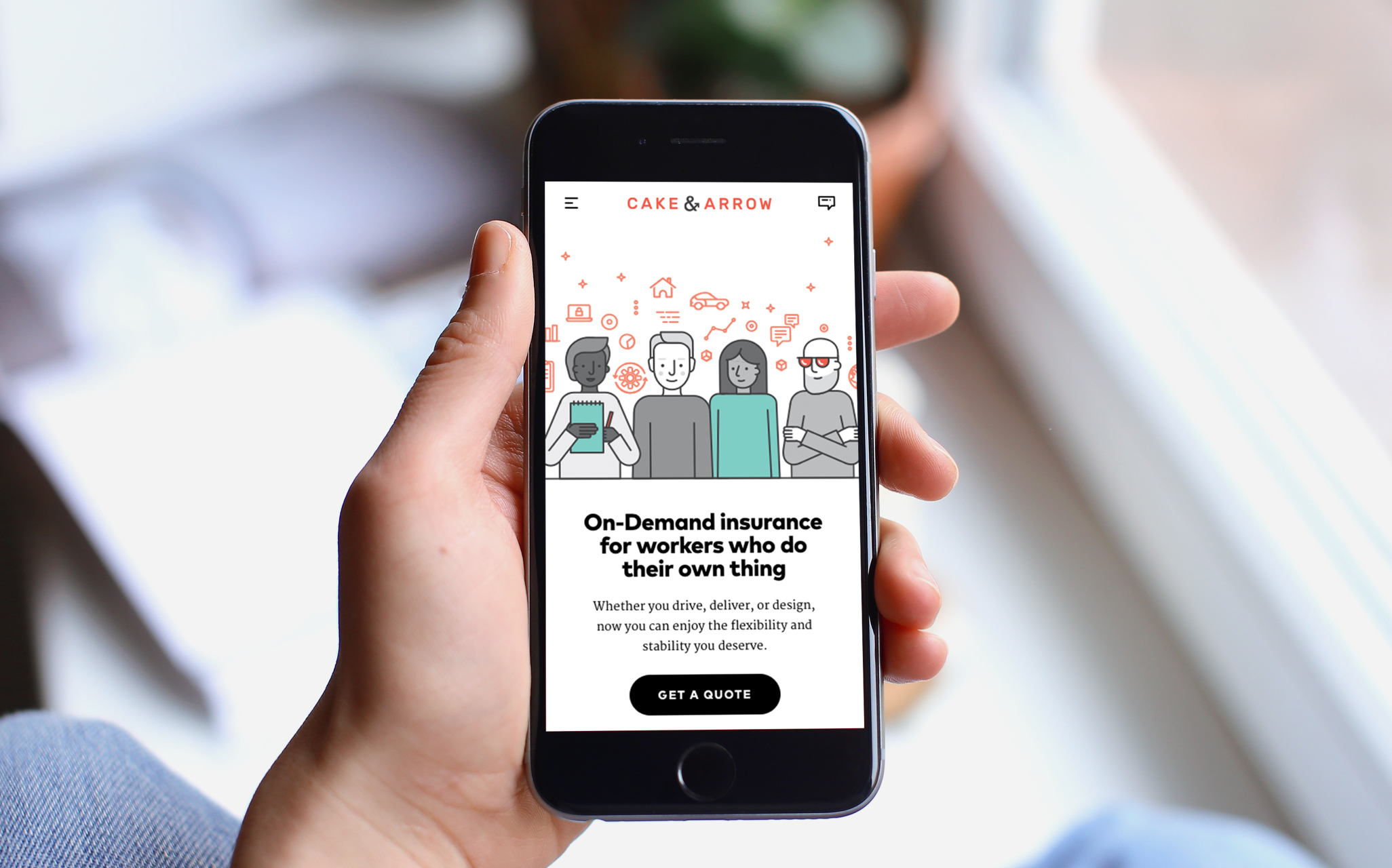
We designed a usage-based insurance product that charged by the hour of active work, not by the month. Key features: instant on/off via mobile app, coverage that automatically activated when the driver started a trip, transparent pricing with no hidden fees, and a claims process optimized for mobile. We also created a 'safety score' that rewarded safe driving with lower rates, using telematics data from rideshare platforms. The product was 30% cheaper than competitors for safe drivers while maintaining healthy margins.
Results
The product launched in 5 states and acquired 15,000 customers in the first year, exceeding the target by 50%. Loss ratio was 62% (below the 65% target), proving the underwriting model worked. Customer satisfaction (NPS 67) was significantly higher than the industry average (NPS 34). The carrier expanded to 15 additional states in year 2 and is now exploring adjacent segments (food delivery, freelance services).
Reflection
What worked: Focusing on one segment allowed us to build a truly differentiated product instead of a generic offering. The partnership with rideshare platforms was critical for distribution and data access. What was harder: Regulatory complexity. Each state had different requirements, which slowed expansion. What I'd do differently: I'd invest more in technology upfront. We underestimated how much automation was needed to make the unit economics work at scale. What surprised me: How much customers valued transparency and simplicity over price. Many customers chose us even when we weren't the cheapest option because the product was easier to understand and use.